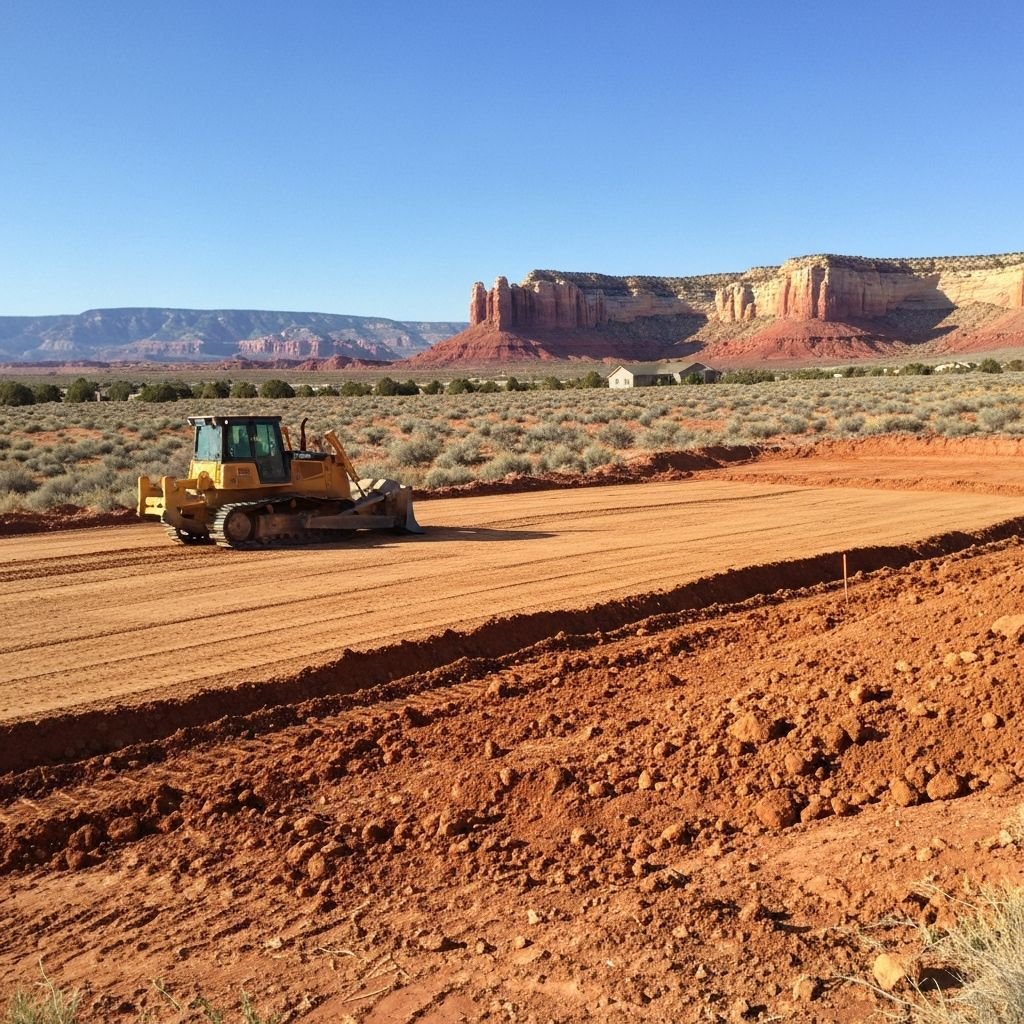
Good paving is not just a black surface placed over whatever is already there. Milling, flattening, cleaning, grading, and edge work remove weak points and create the conditions for a better finish.
A level surface begins with honest preparation
We remove failed material where needed, correct uneven areas, clean the work zone, and prepare the base for a stronger paving result. Proper preparation keeps new asphalt from simply copying old problems.
Sharp lines. Better drainage. Cleaner finishes.
Cut lines, corners, edges, slopes, and tie-ins all affect how a project looks and drains. We use preparation to make repaired or resurfaced areas feel complete rather than patched together.
Useful for homes, lots, and larger pavement
The same fundamentals apply to a residential driveway, parking lot, private road, or industrial yard: remove failure, establish grade, compact the base, and place the right surface.
How asphalt paving works
Asphalt pavement combines mineral aggregate with a binder. The finished surface depends on the entire system: site assessment, excavation where needed, aggregate base, drainage, grade, placement, temperature, and compaction. EO Asphalt focuses on the preparation decisions that are easy to hide but expensive to ignore.
What asphalt is made from
Asphalt pavement combines aggregates such as stone, sand, and gravel with a petroleum-based binder. The binder coats the aggregate and creates a durable, flexible pavement mixture.
Why the base matters
The base distributes vehicle loads and helps manage moisture. Strong grading, drainage, aggregate placement, and compaction are the foundation of a long-lasting pavement surface.
How long it can last
A well-designed asphalt surface can serve a home for decades when it is installed over a sound base and maintained with timely repairs and sealcoating. Site conditions and traffic always affect lifespan.
A clear project methodology
- 1Review access, measurements, use, drainage, existing pavement, and scope.
- 2Address weak areas, grading, aggregate base, moisture, and transitions.
- 3Coordinate placement, edges, joints, compaction, cure time, and access.
- 4Explain maintenance priorities so the new pavement has a practical next step.