Make room for the way you use your property
We build the paving plan around vehicle length, turning movements, gates, storage, hookups, existing structures, and the way you enter and leave the property.
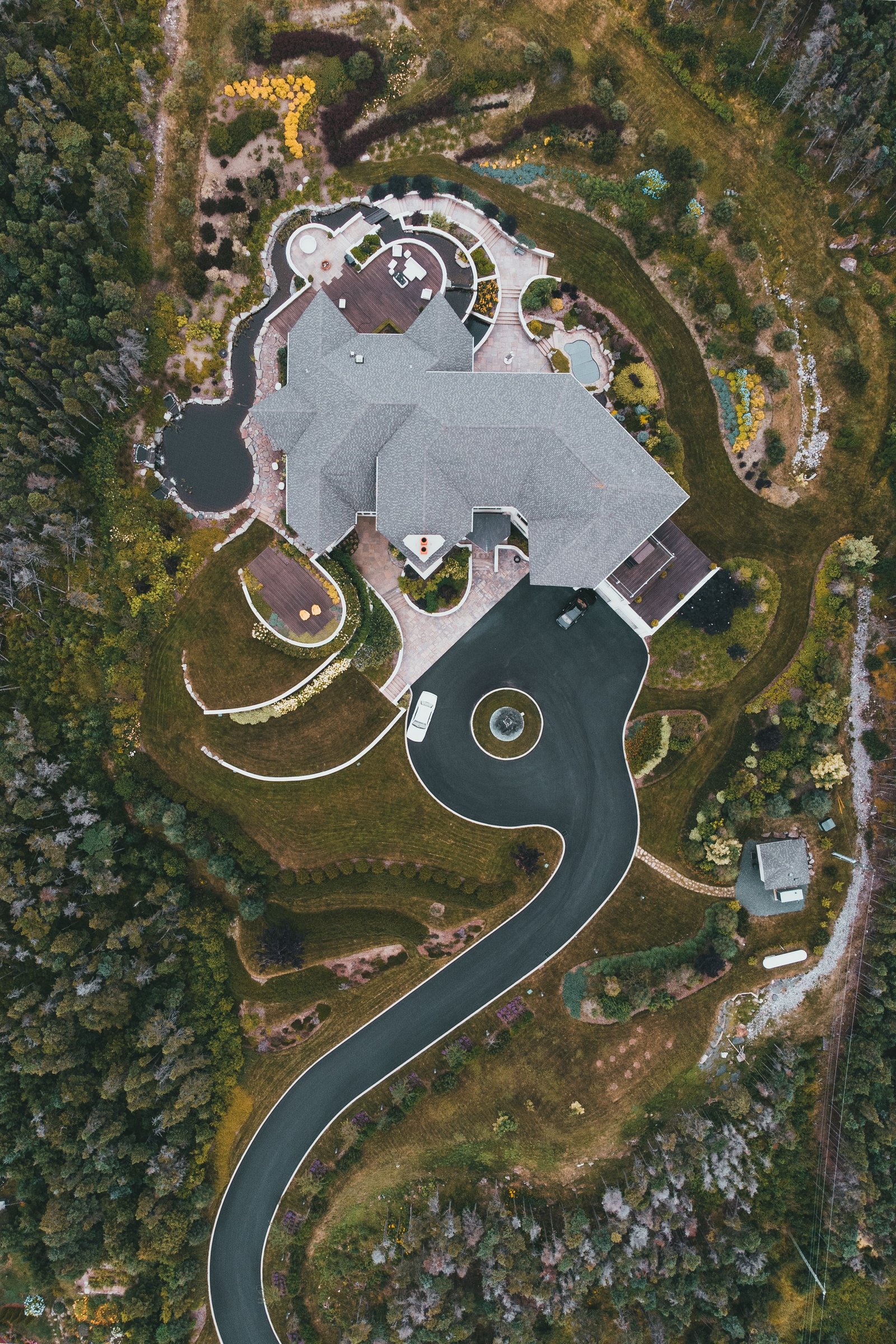
RV parking paving
Durable paved RV parking pads, access lanes, turnarounds, and storage areas for residential and commercial properties.
Request an estimateRV pads and storage areas need more than a rectangle of pavement. Dimensions, turning space, grade, drainage, access, and base strength all affect whether the finished area is actually easy to use.
We build the paving plan around vehicle length, turning movements, gates, storage, hookups, existing structures, and the way you enter and leave the property.
EO Asphalt paves private RV pads, storage areas, resort improvements, and access lanes throughout Southern Utah and Mesquite, with attention to heavy-use areas and clean connections.
A strong finished surface depends on proper excavation, aggregate, compaction, slope, and drainage. We address those fundamentals before asphalt placement.
Asphalt pavement combines mineral aggregate with a binder. The finished surface depends on the entire system: site assessment, excavation where needed, aggregate base, drainage, grade, placement, temperature, and compaction. EO Asphalt focuses on the preparation decisions that are easy to hide but expensive to ignore.
Asphalt pavement combines aggregates such as stone, sand, and gravel with a petroleum-based binder. The binder coats the aggregate and creates a durable, flexible pavement mixture.
The base distributes vehicle loads and helps manage moisture. Strong grading, drainage, aggregate placement, and compaction are the foundation of a long-lasting pavement surface.
A well-designed asphalt surface can serve a home for decades when it is installed over a sound base and maintained with timely repairs and sealcoating. Site conditions and traffic always affect lifespan.
Every property is different. We verify measurements, access, base conditions, drainage, scope, and finish details before preparing a final bid.